Guest speakers & Topics
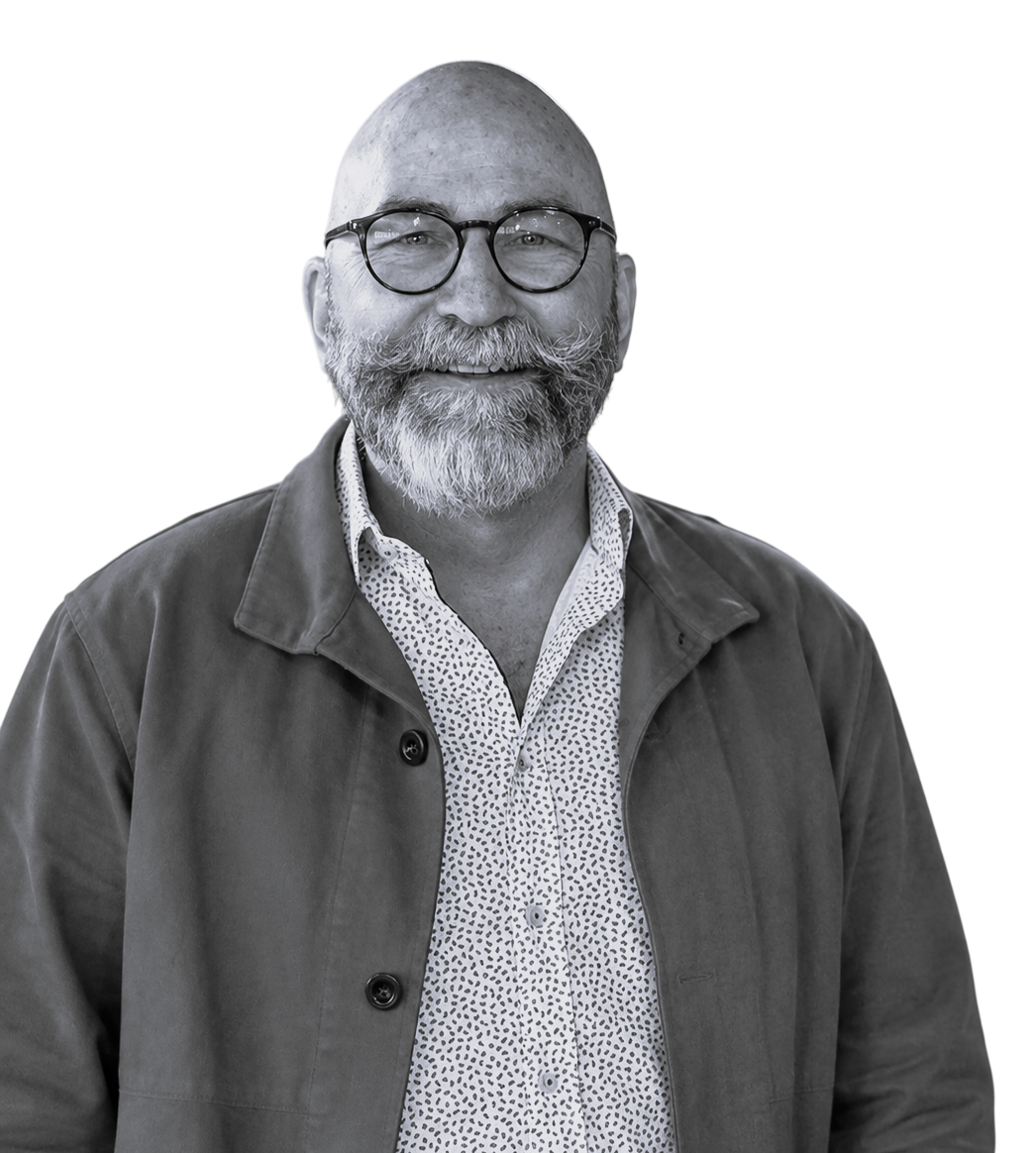
ANT RIST (St Albans, England)
The church – Gods family to heal a broken world
God invites us to co labor with him in building his church, his plan for people to encounter his grace.
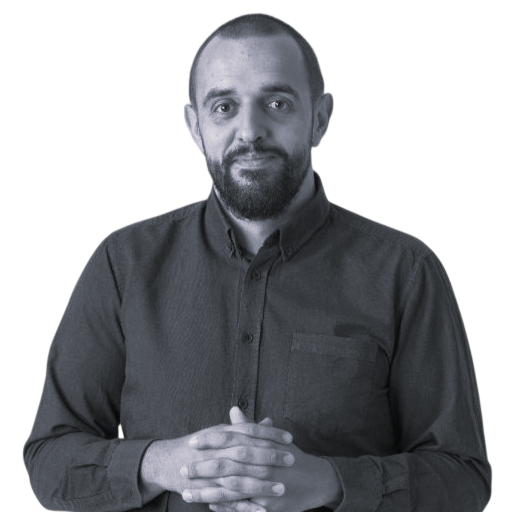
MISHO STEFANOV (Sofia, Bulgaria)
What Is Truth? Confronting Relativism
In a culture where truth is increasingly treated as personal and subjective, Pilate’s ancient question – “What is truth?” (John 18) – feels remarkably contemporary. Through his encounter with Jesus, we will explore why relativism ultimately fails and why the Christian claim that truth is real – and ultimately revealed in Christ – matters for how we understand reality and live our lives.
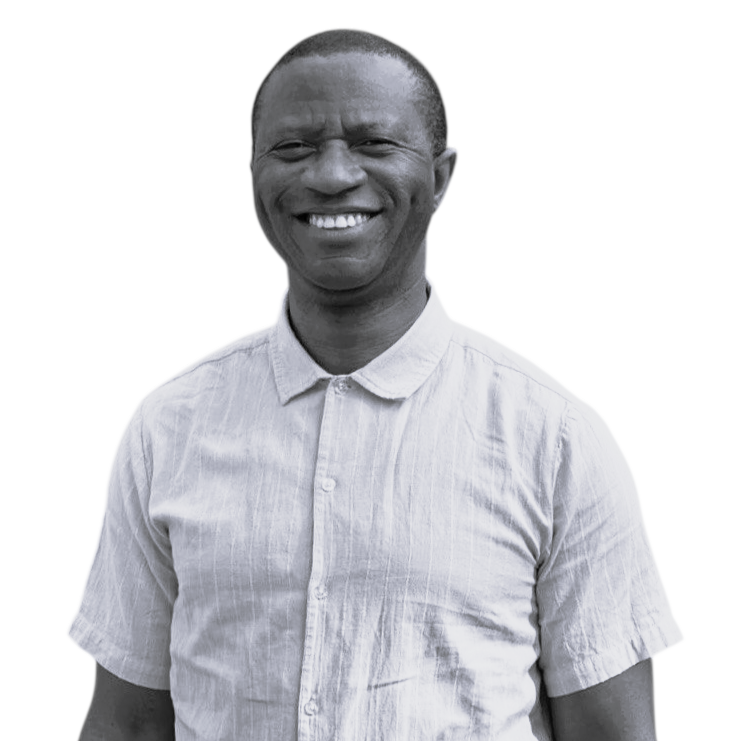
CHIMA IGWE (Espoo, Finland)
God’s Masterplan requires God’s power
What God has designed cannot be accomplished merely through human strength.
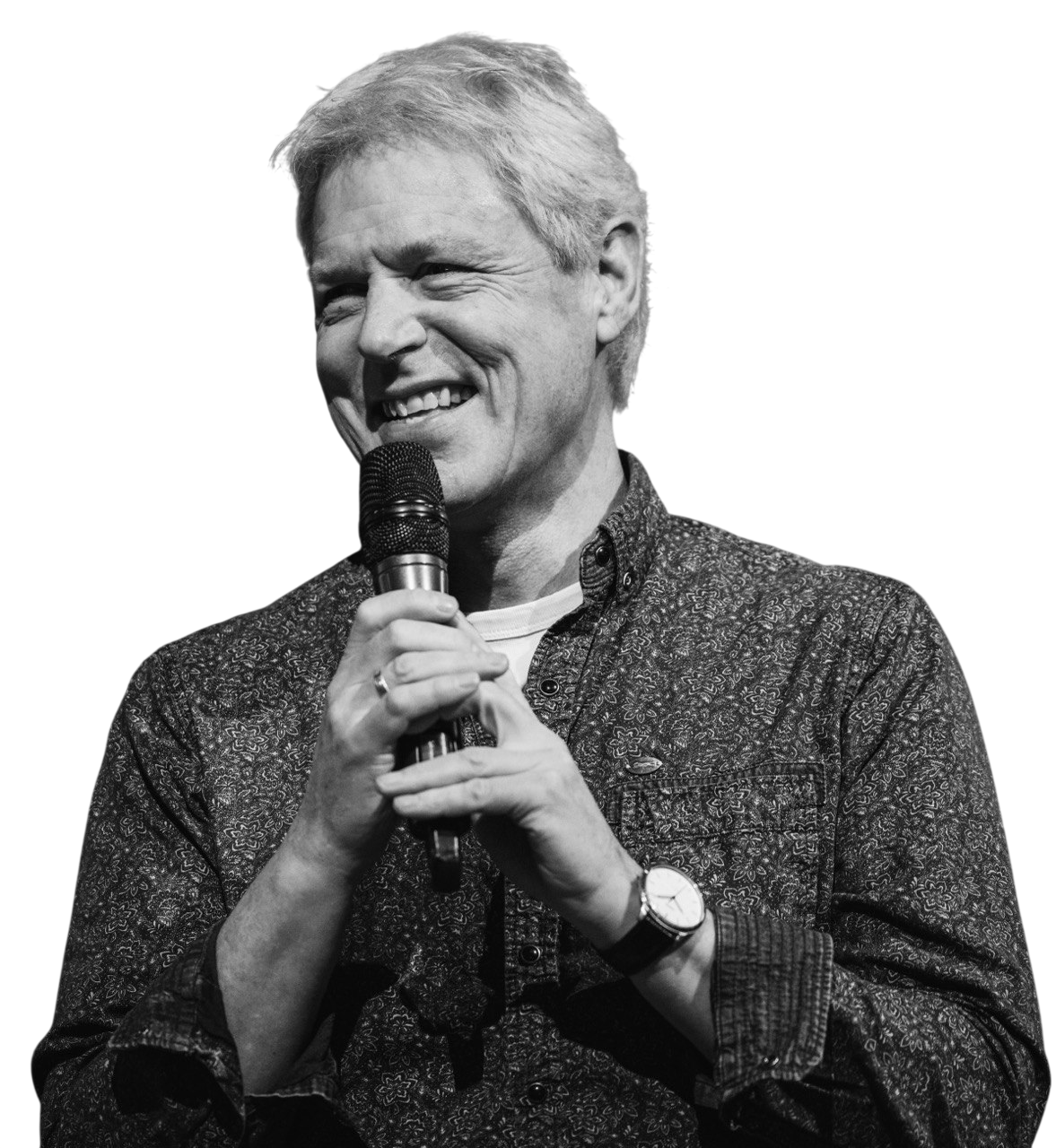
WAYNE NEUPER (Dresden, Germany)
Learning to live as an apostolic community
The power and effectiveness of the early church is something that we all dream of experiencing in our day. In this message we will learn how Gods plan for an apostolic community can make this possible.
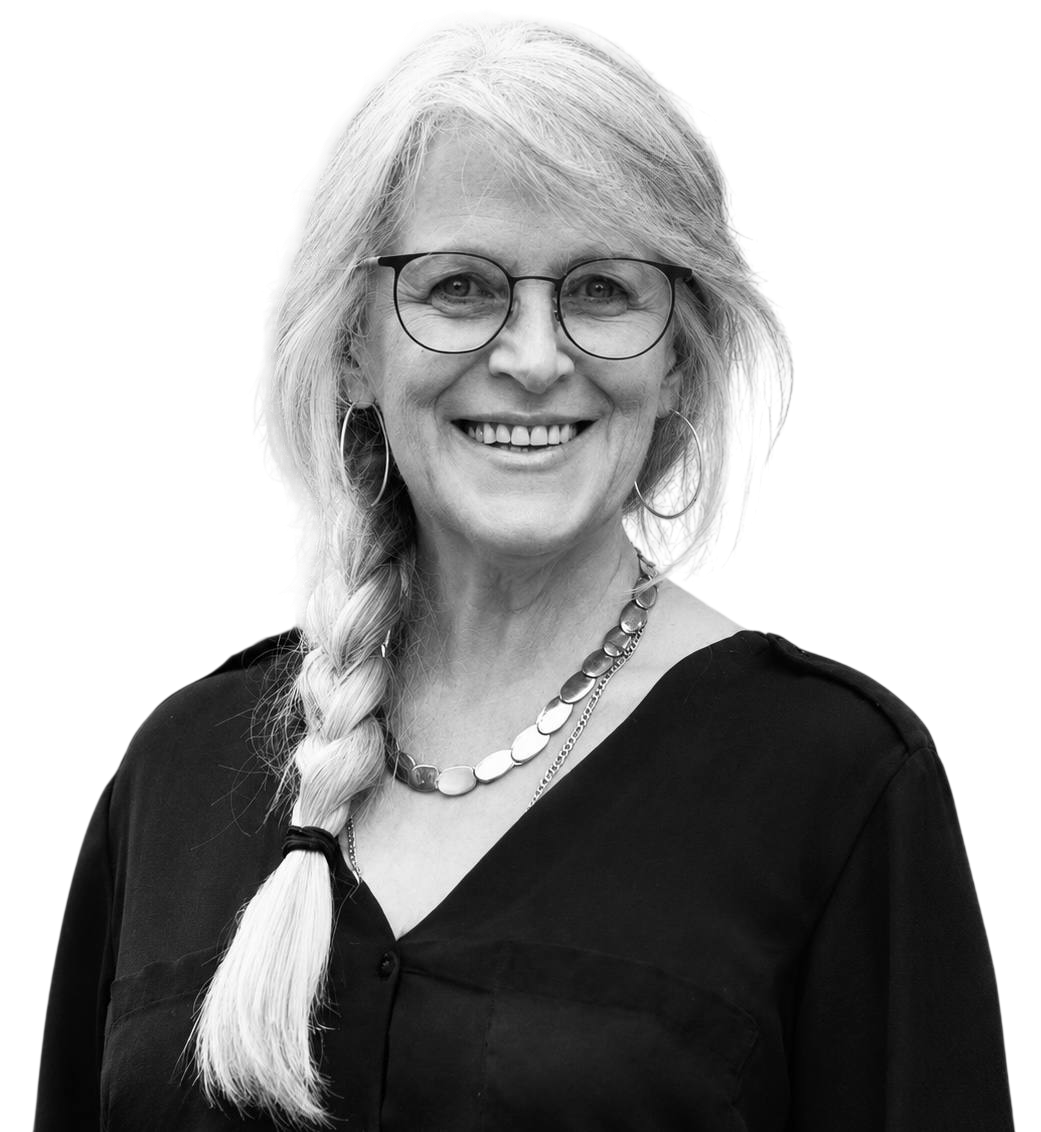
RENÉ NEUPER (Dresden, Germany)
Trust the Master when You Can’t See the Plan
We like clarity. We like plans. We like knowing what comes next. But God often does His deepest work in seasons when His timing doesn’t make sense to us, and we can’t see the plan.
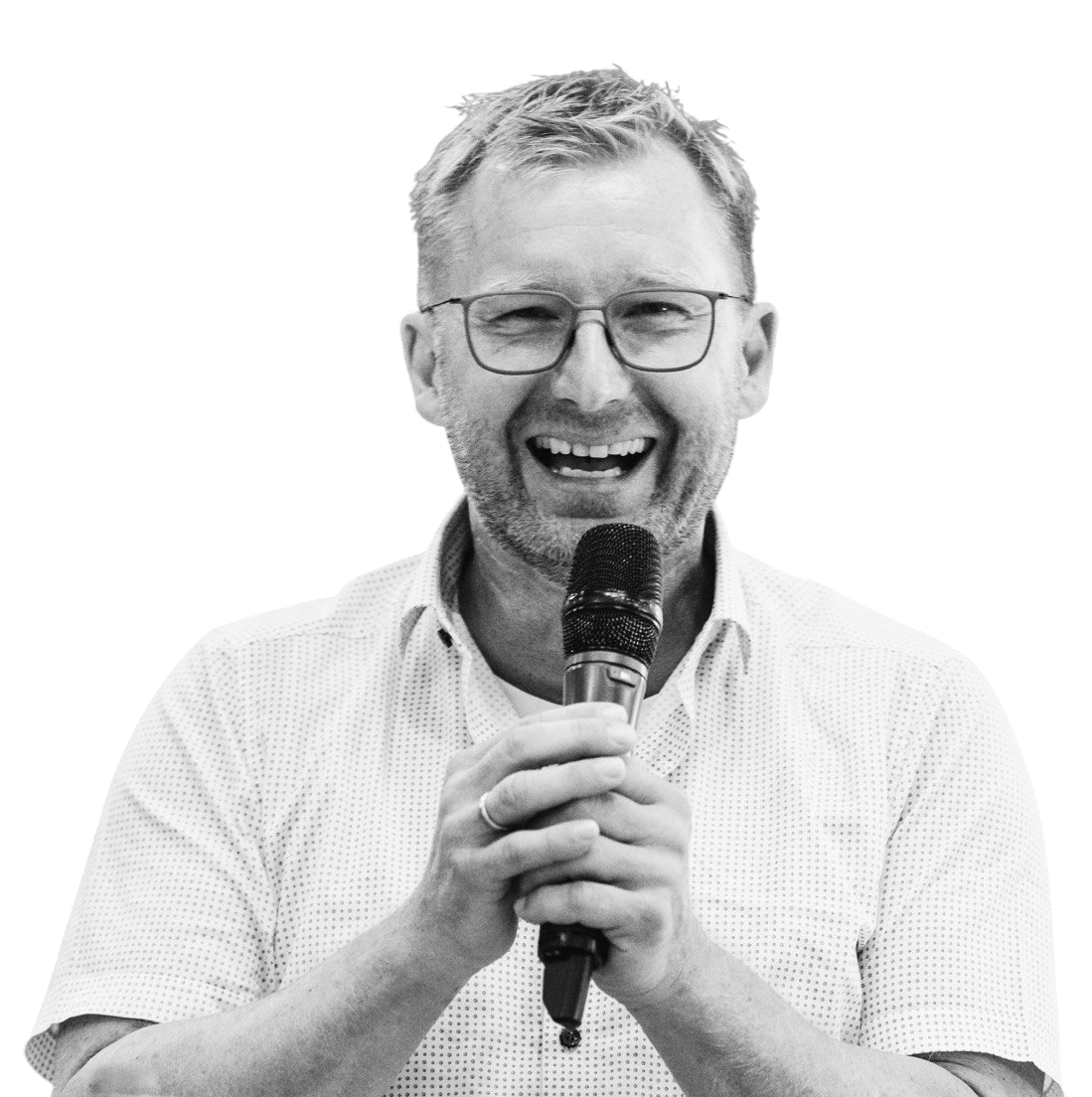
DIERK MÜLLER (Dresden, Germany)
Gods supreme passion in all His works
God’s foremost passion is always to exalt His Son. The reason for the existence of the world and the Church is that Christ may be highly exalted. The ultimate master plan, therefore, is centered on the exaltation of Jesus. If God’s work is centered on glorifying His Son, then our ultimate goal in building the Church must be to make Jesus great.
Workshop leaders & Topics
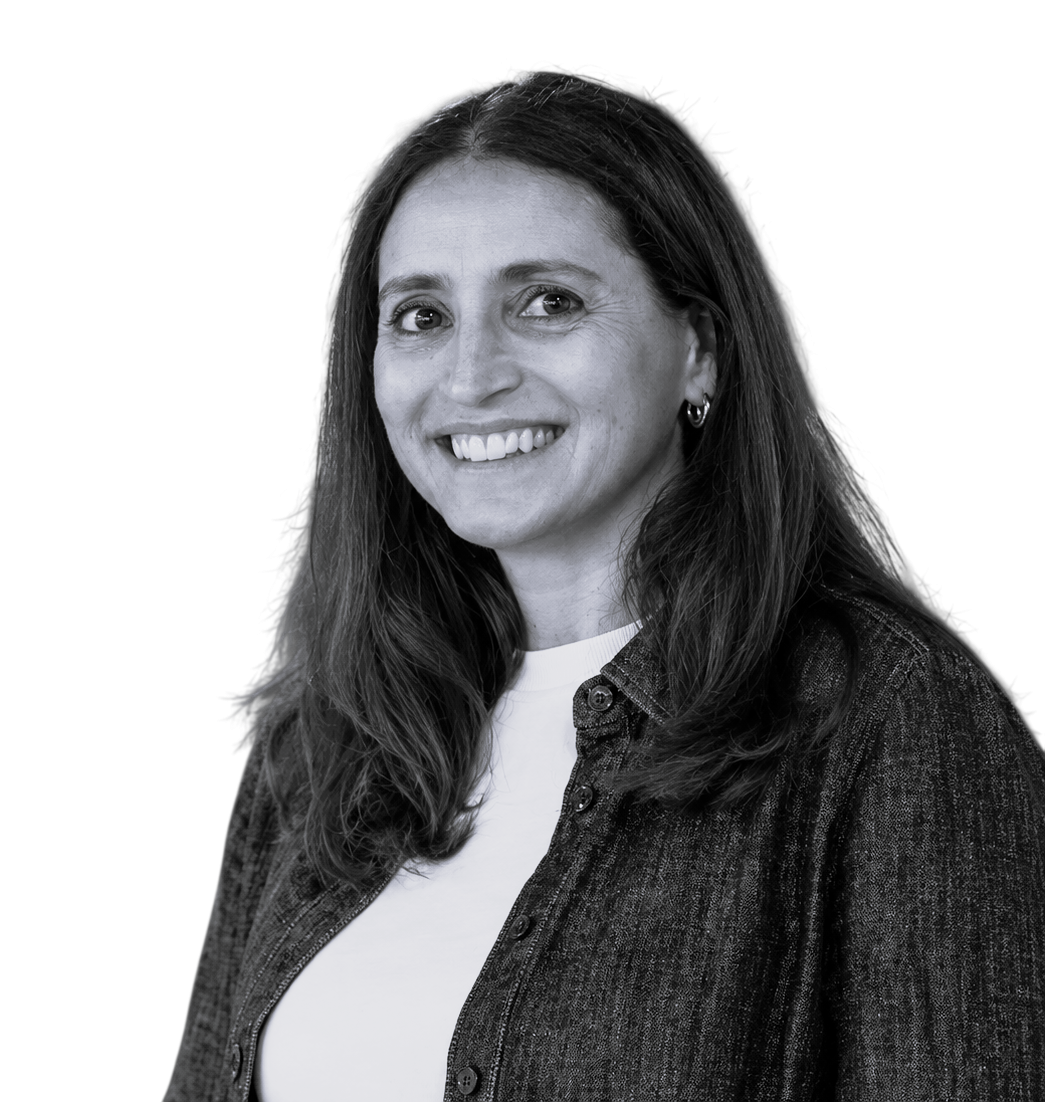
HELEN RIST (St Albans, England)
Building a healthy church culture
Building a church culture is an intentional process and starts with understanding the core values of your church community. Join us for a practical workshop exploring how to live out our relationships in a biblical expression of God’s grace.
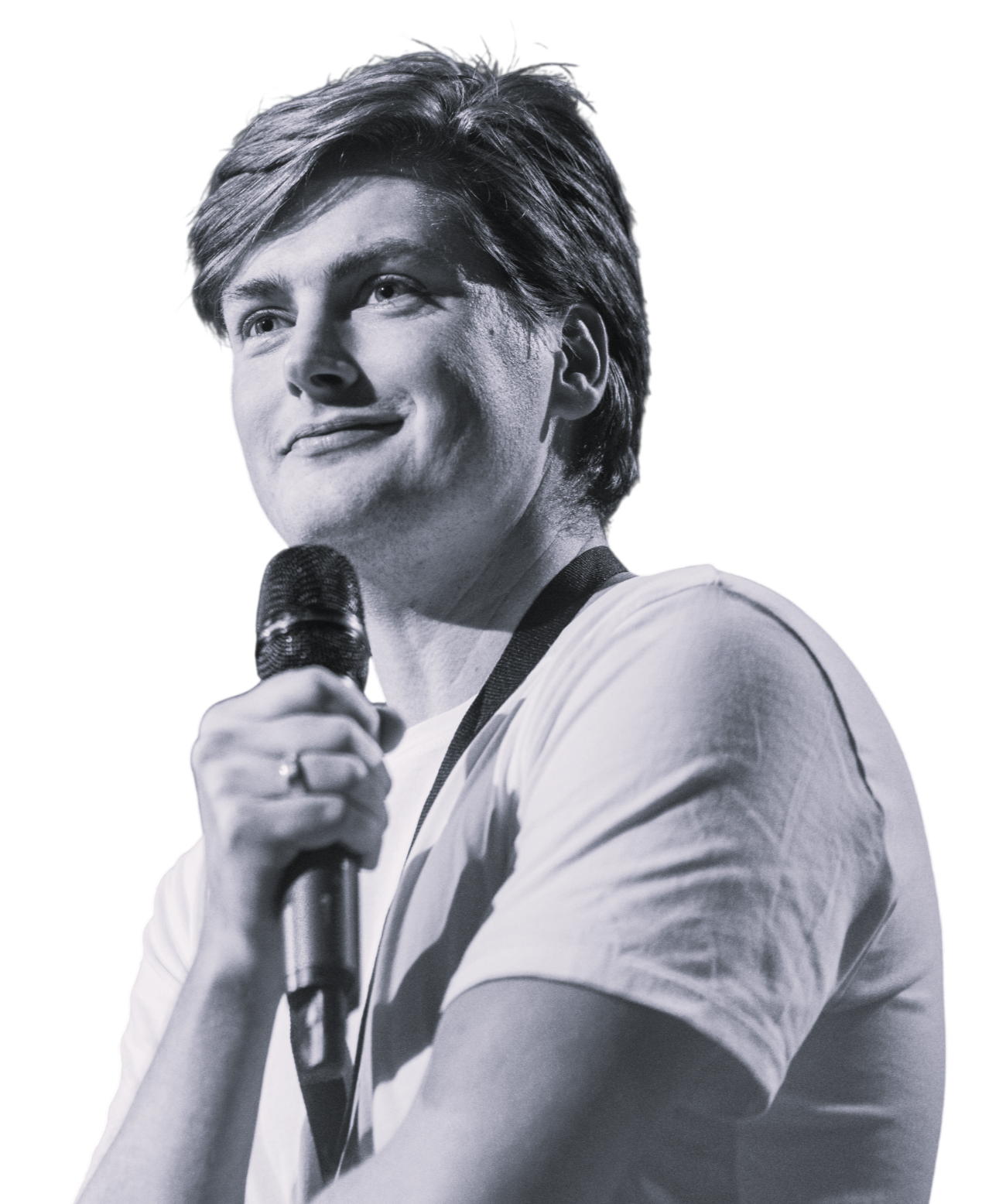
JAN HEIN DE WILDE (Enter, Netherlands)
How do you get people born after 2000 involved in your ministry?
A new generation is already sitting in our churches — but are we actually giving them a place to lead, build and take responsibility? In this session, we’ll talk about how to reach, understand and activate people born after 2000. Not by creating another youth program, but by learning how to build real relationships, have honest conversations and intentionally make room for the next generation in the life and leadership of your church. And if you were born after 2000 yourself, this session is for you too. Maybe you want to raise up leaders around you, build stronger teams with people your own age, or discover how your generation can take responsibility together.
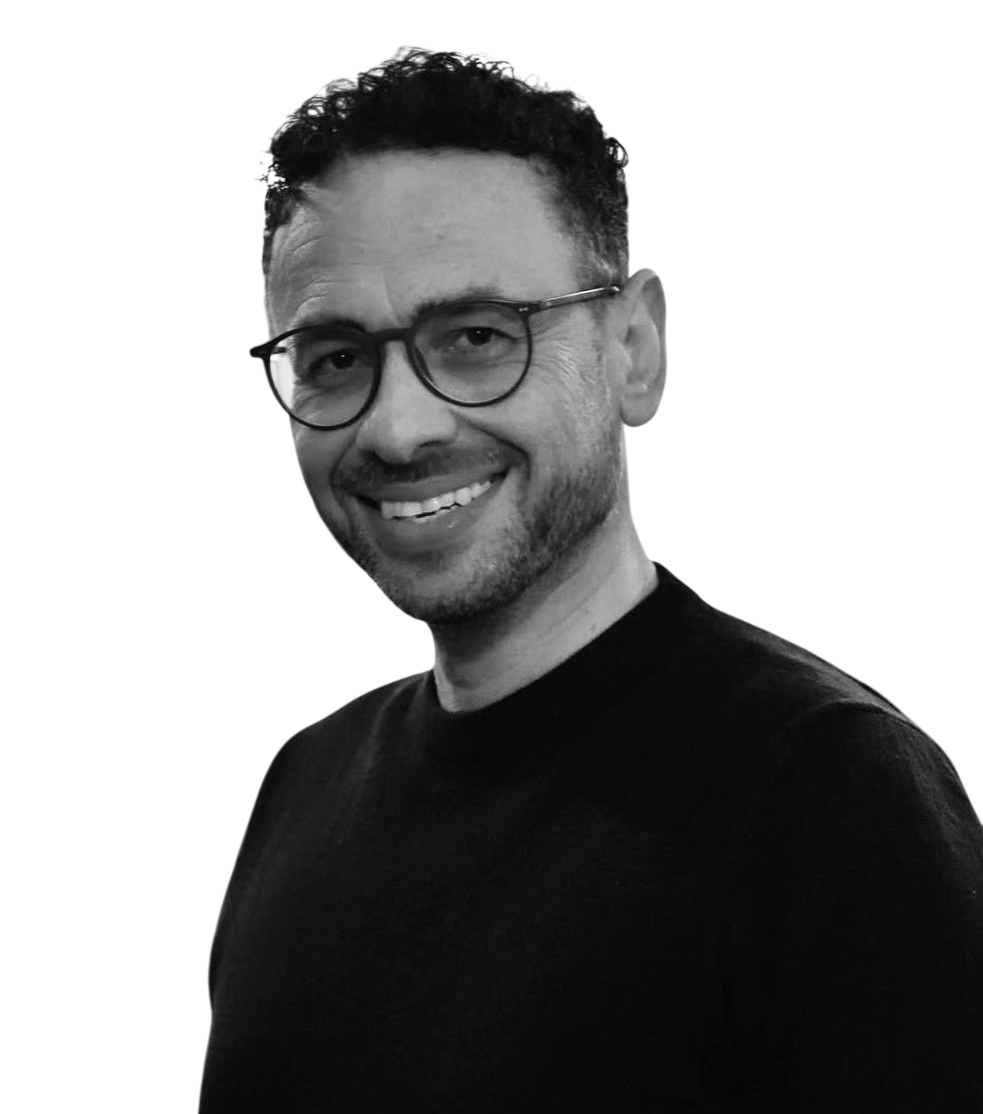
GEORGE BASADA (Simmern/Hunsrück, Germany)
Limited. Complemented. Effective.
Leadership does not mean having to be able to do and solve everything yourself. This workshop is about recognizing your own strengths and limitations as a leader and developing a healthy approach to the expectations you place on yourself. We will explore how sharing the load, delegating, and involving others can be understood not as weaknesses, but as essential elements of good leadership. It is about discovering what it means not to have to be capable of everything – and how this can actually help you lead more effectively.
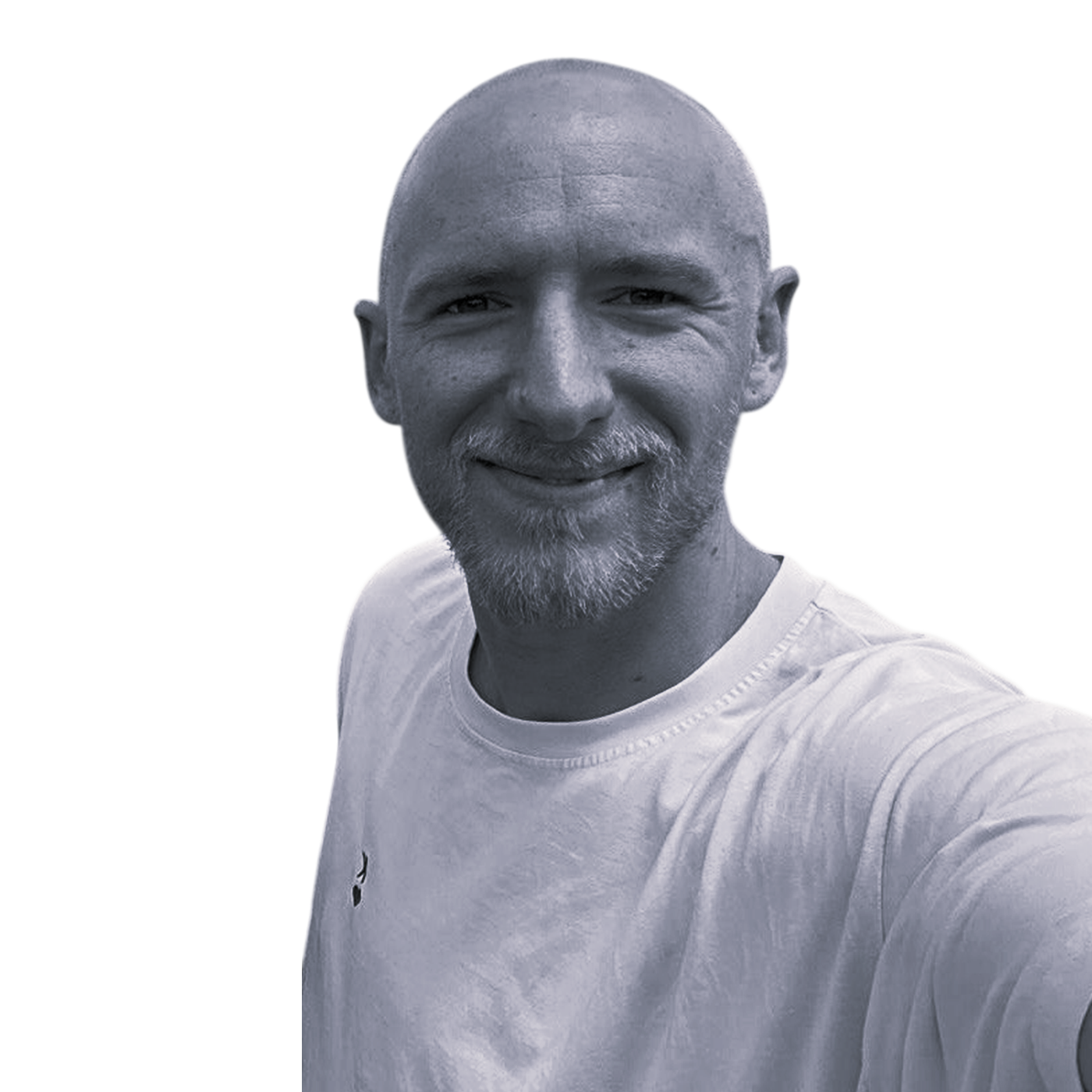
SAM BODE (Addis Ababa, Ethiopia)
The call to commitment that brings simplicity
In a world full of distractions and increasing complexity – especially in leadership and amid the challenges of everyday life – Jesus invites us to something surprisingly simple: wholehearted devotion to Him. It is an invitation that may be more important today than ever before. Together, we will explore what it means not merely to follow Jesus in certain areas of our lives, but to surrender ourselves completely to Him.
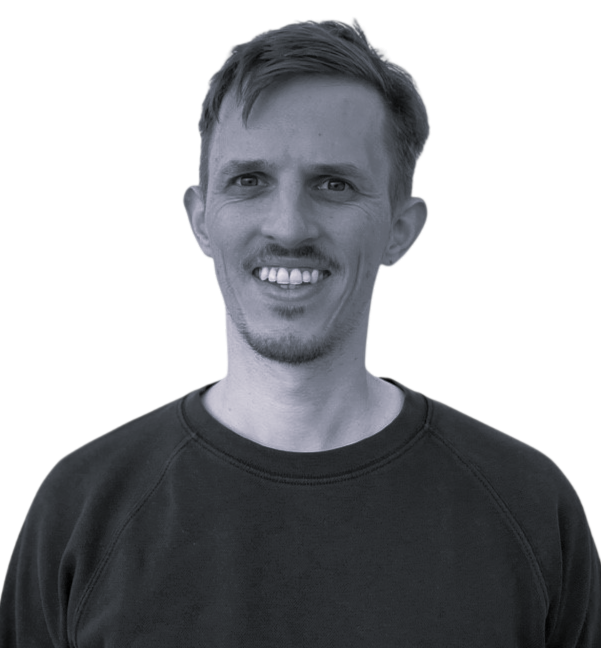
FERDI GERSTETTER (Dresden, Germany)
What is God’s master plan for the future of humanity?
AI is rapidly transforming more and more areas of our lives. People are being replaced, and there are increasing reports of individuals entering into committed relationships with AI. So what is it that still makes us human? What does it mean to be human, and will we soon simply become obsolete? God has a master plan for humanity. He has a plan for our future. How valuable is human life? And what responsibility does this give us as Christians?
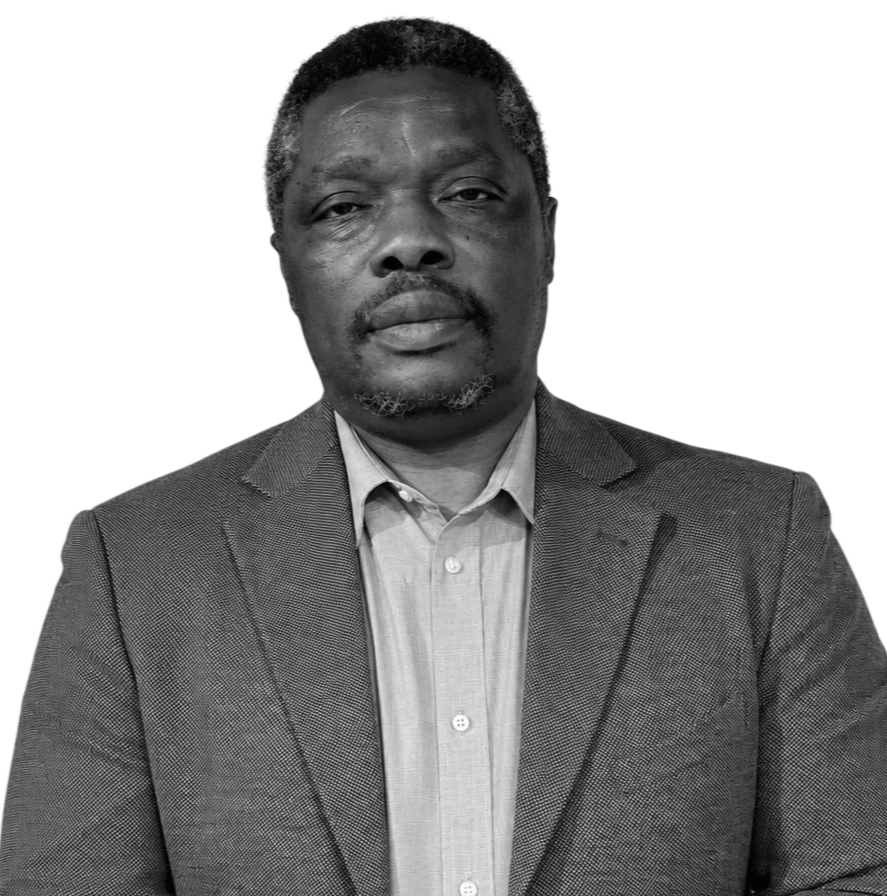
MARK PASIMUPINDU (Leicester, England)
Leading God´s people in different seasons our lives
In this workshop we will look at the life of Joseph and explore how God helps us to lead in the different seasons of our lives— through the dreams, the family conflicts, the pit, the temptation in Potiphar’s house, and the forgotten years in prison, all the way to the throne. Along the way, we will also share from our own journey – from Zimbabwe to the United Kingdom – and reflect on how God has helped us to lead through all the different seasons.
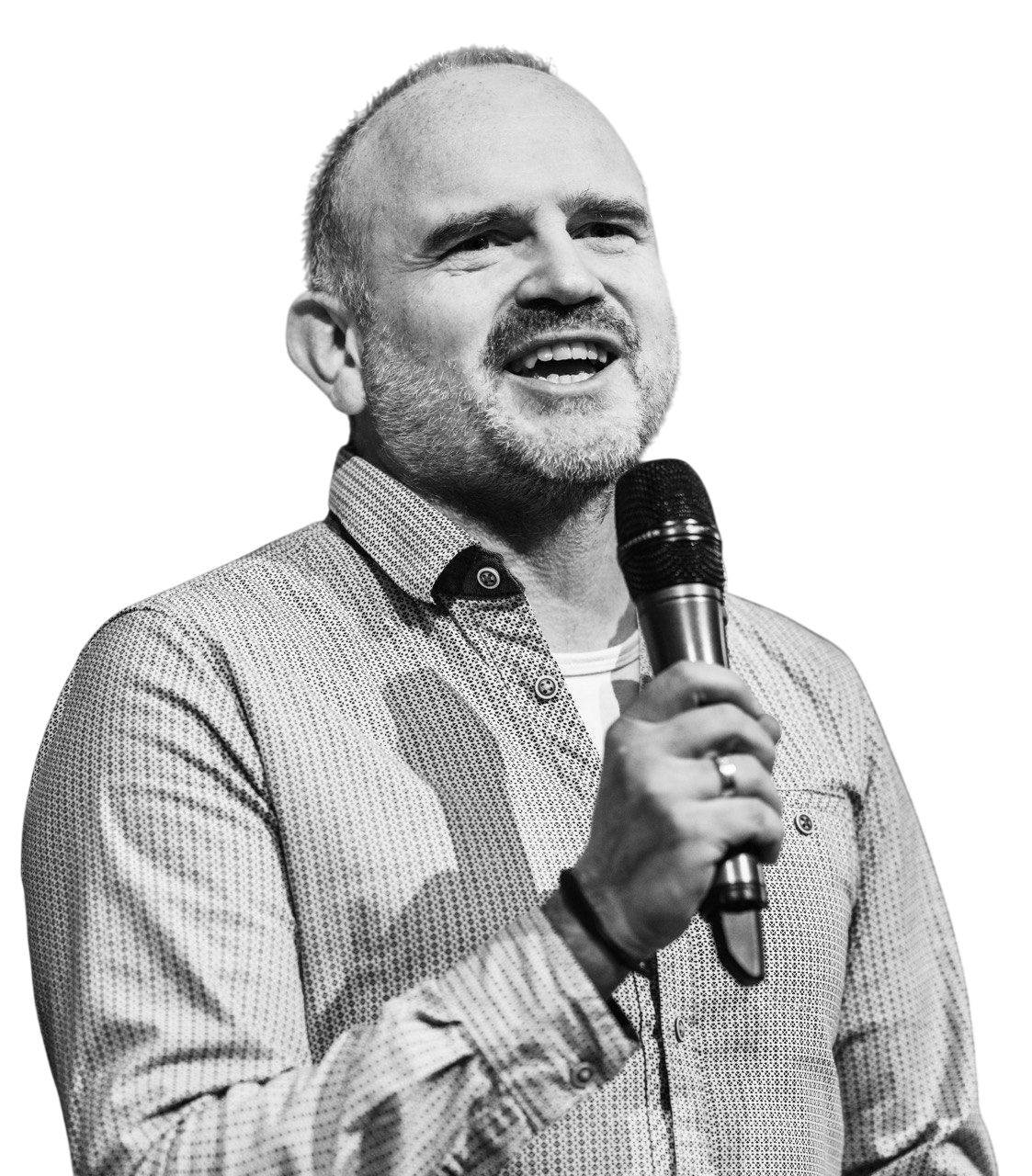
ANDRÉ NICKEL (Dresden, Germany)
Structure of a New Testament Church
What are the roles and responsibilities of elders, deacons, leaders, ministry workers, and church members?
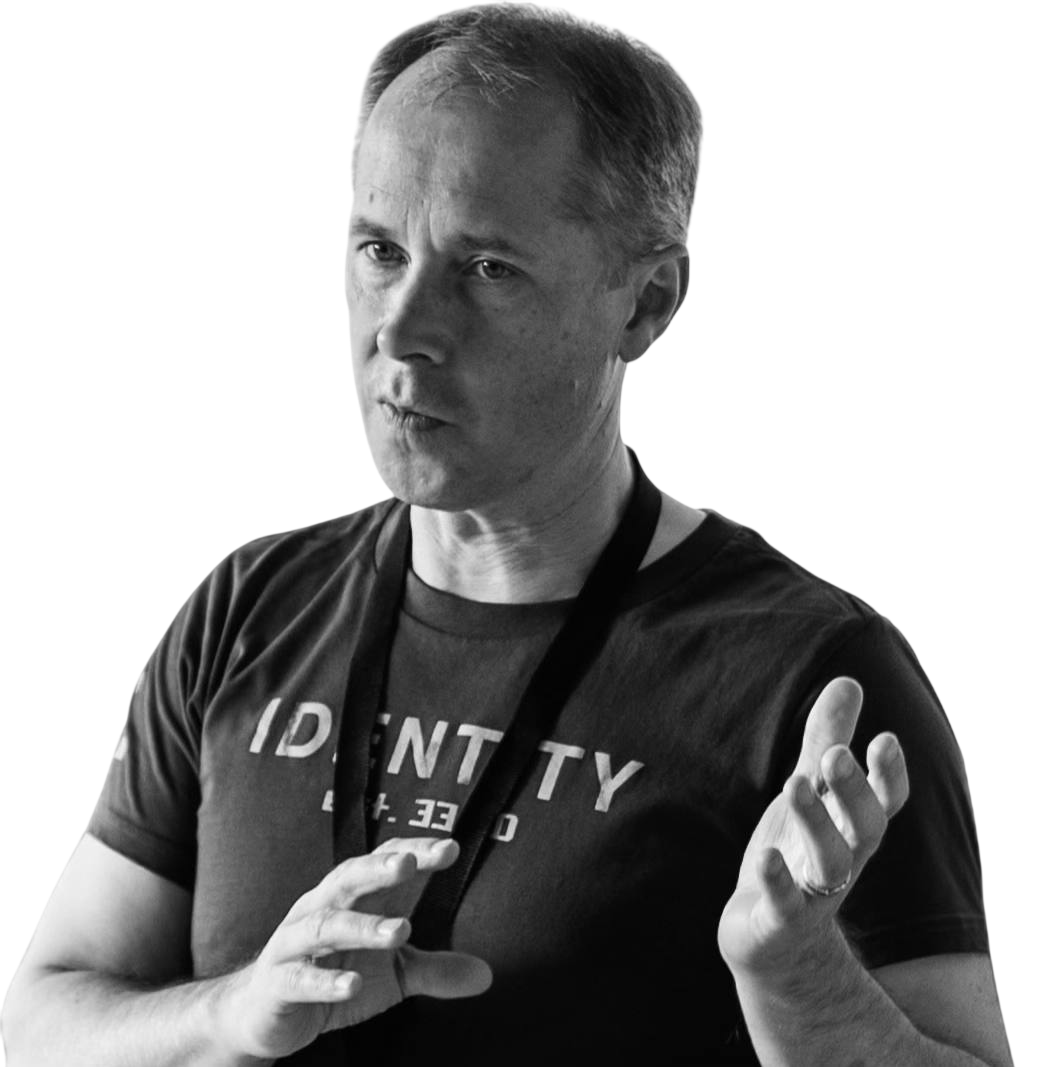
VOLODYMYR LANEVYCH (Rivne, Ukraine)
Overcoming a scarcity mindset to fulfill the masterplan
IIn this workshop, we will compare the mindsets of Saul and David. We will explore their different starting points in life, how each of them responded to God’s calling, and how their responses were shaped by their fundamental attitudes and outlook on life.
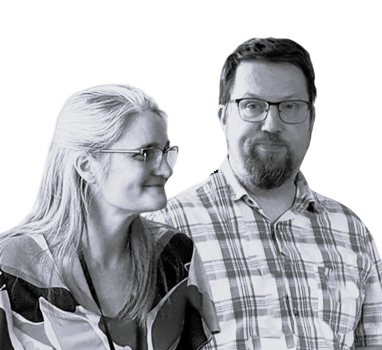
BENJAMIN & ANNA NITSCH (Pirna, Germany)
Fostering Vibrant Community and Growth Through Effective Church Administration
- Efficient administration that effectively supports church life and growth
- The nonprofit association as a practical legal framework
- Tools that help you support your staff and volunteers with minimal time investment while remaining legally compliant
- When churches build buildings…
- Tips and practical insights gained from many years of church leadership
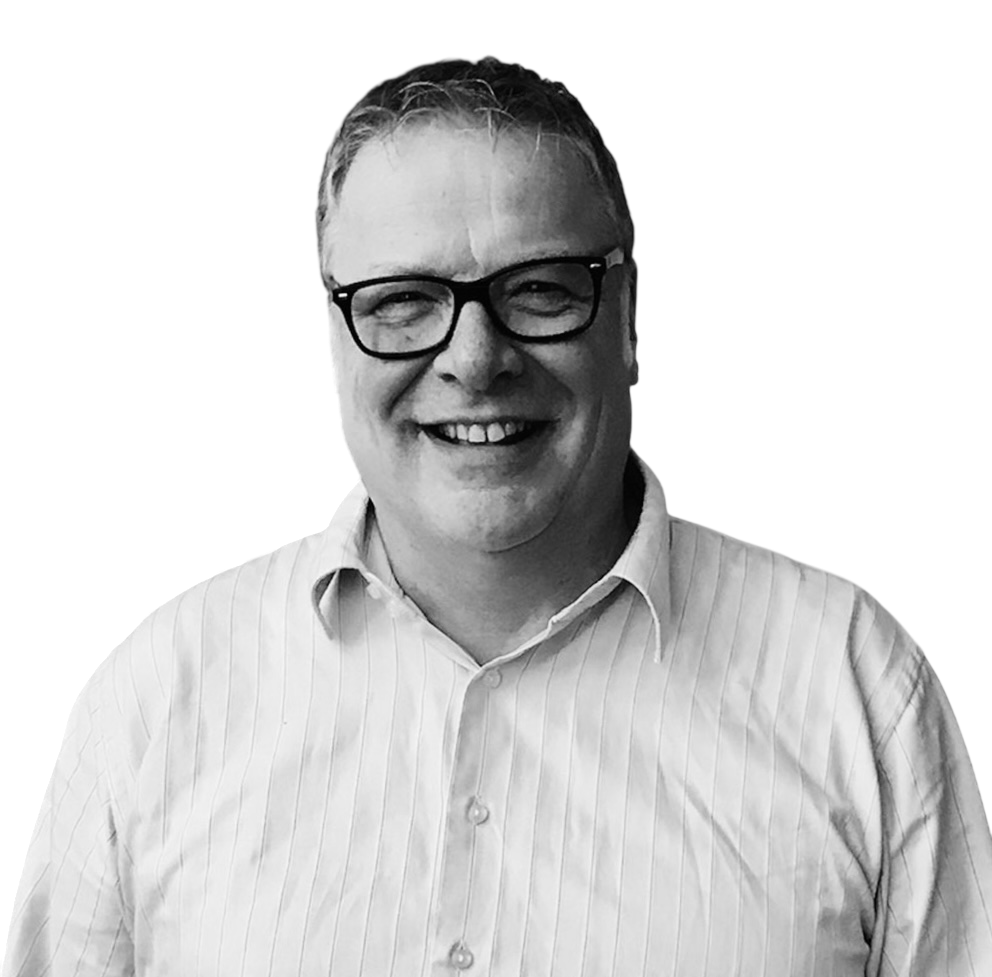
CARSTEN HOLEY (Dohna, Germany)
Stages of Church Development
What role do vision, relationships, programs, and administration play in this process?
Under this button, you’ll find the song pool on Spotify and can access the songs that were sung during the conference!
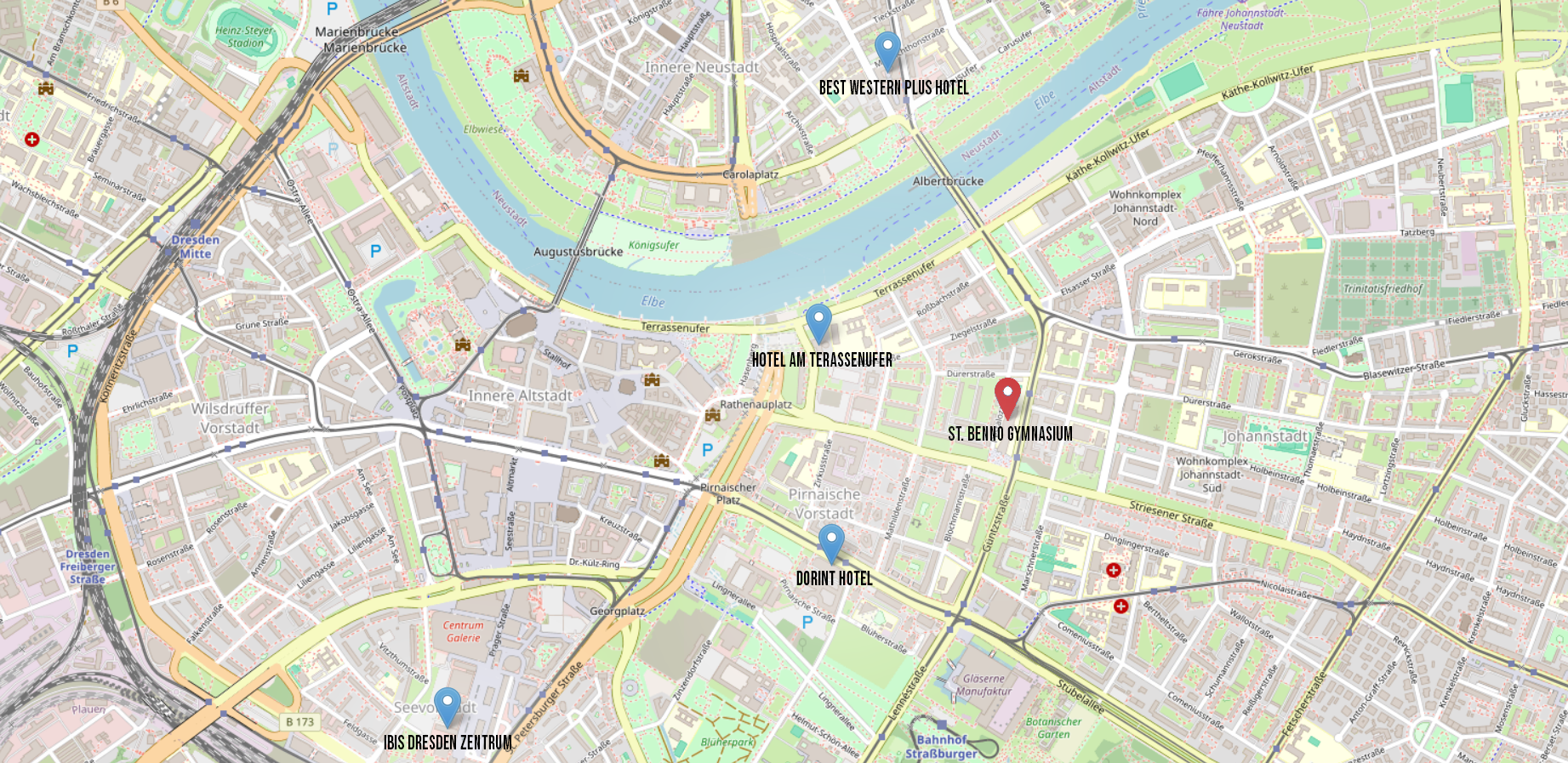
Accommodation and venue access information
GETTING THERE BY PUBLIC TRANSPORT
St. Benno Gymnasium is easily accessible by various bus and tram lines:
-
Bus line 62
Stop: “St. Benno Gymnasium” – about a 3-minute walk to the school. -
Tram lines 13 and 8
Stop: “Dürerstraße” – just a few steps from the entrance. -
Tram line 6
Stop: “Sachsenallee” – from there, it’s about a 5-minute walk. -
Tram lines 1, 2, 9, 10, and 12
Stop: “Straßburger Platz” – about a 10-minute walk, or alternatively, transfer to line 13 or 8 for a shorter distance.
ACCOMMODATION OPTIONS
Here are some good places to stay near the venue (St. Benno Gymnasium, Pillnitzer Str. 39, 01069 Dresden):
-
- Best Western Plus Hotel Dresden City – Melanchthonstr. 2, 01099 Dresden
- Hotel Am Terrassenufer – Terrassenufer 12, 01069 Dresden
- Dorint Hotel – Grunaer Str. 14, 01069 Dresden
- ibis Dresden Zentrum – Prager Str. 5, 01069 Dresden (located a bit further away)